

How to make sure your H&S video really takes off!
It All Begins Here
Have you ever had feedback from your team and new starters that the training was great, but it seemed totally different when they got out on the ground? Or have you ever thought it would be brilliant if you could put a particular process in the context of the overall operation? This is where drone filming quietly becomes one of the most useful tools in modern health and safety production.
Not because drones are flashy. Not because everyone secretly wants their induction film to look like Top Gun: Facilities Management Edition; but because sometimes, the only way to truly explain a complex environment is to step back — and up.
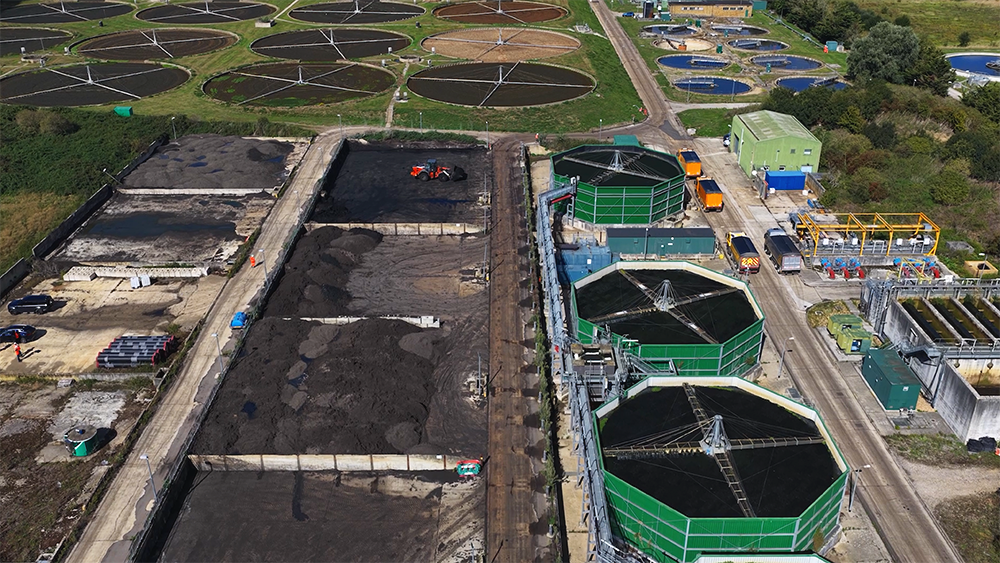
A ground camera shows the task, but a drone shows the system – and more importantly the context.
With drone footage your teams, visitors, customers, and contractors can clearly see the key operational areas, and you can draw their focus to the high-risk areas, pedestrian routes, and exclusion zones. Making it simple to ensure that everyone knows how to stay safe when they walk out the training room door.
Perspective changes behaviour. That’s the real value
Good health and safety practitioners already know that most incidents rarely happen because people wake up thinking:
“Today feels like a wonderful day to hurt myself, or worse – someone else.”
Inexperience, lapses in remembering the correct procedures, complacency and the ultimate trap of “I’ll just do X, Y or Z” are all primary reasons why things go wrong.
A key advantage of drone footage is that it visibly helps you to explain the “why” rather than just the “what” and that helps drive the right behaviours and the need to avoid short cuts.
Improve hazard recognition and awareness
The addition of context helps everyone remember your key H&S messages much more than when just presented on a set of slides. Seeing everything working in real time helps people understand what the hazards are and why they need to take certain steps to stay safe. This is particularly important if you are dealing with complex processes, multiple contractors and interested parties or there is a risk of third parties entering into the working environment – whether they are meant to be there or not.
Remember, one size does not fit all…
Whilst some productions now deploy aerial footage regardless of the subject matter, the real benefits of drone footage can be seen when they are chosen for the right reasons. Used in context as part of the overall training package they really add value.
The best drone work in health and safety production is purposeful, precise, and used only when aerial perspective genuinely improves understanding. In the right hands it can help to simplify a complex site layout, support safer decision-making, and give people a mental map before they even step onto site.
Remember, be stylish but not at the expense of effectively communicating your message
Health and safety training videos remain key communication tools with very real consequences. If a carefully planned drone shot helps one person go home safe and well at the end of the day because they understood the access route, knew where the crane exclusion zones were or simply remembered the process they needed to follow; then the technology has done something far more valuable than simply looking cinematic…It has helped everyone get home safely. When you think about it, that is the best ending any production can hope for.